Oakland, CA · Alameda County
Floor Mold Removal in Oakland, CAFloor Mold Inspection & Tile Grout Mold Cleanup
Comprehensive Floor Mold Removal in Oakland includes tile grout mold cleanup, laminate flooring mold treatment, and concrete slab mold mitigation.
Answered 24/7
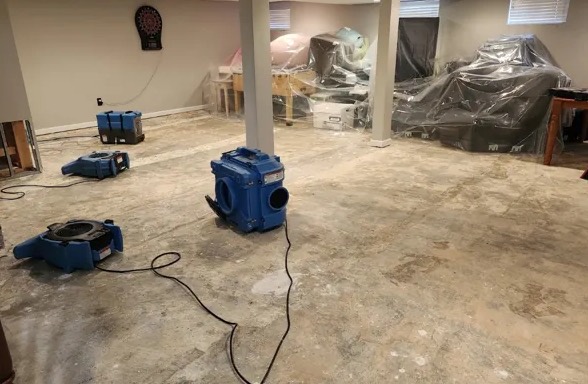
Expert Floor Mold Removal for Oakland Homes
Emergency floor mold containment in Oakland is vital to prevent cross-contamination during sudden mold outbreaks. Early action limits the spread of black mold on floor areas and protects unaffected rooms.
In Oakland and nearby places like Emeryville, Piedmont and Alameda, moldy floor cleanup prevents allergens from black mold on floor from affecting indoor air. Local floor mold removal experts use advanced techniques for flooring replacement after mold and mold inspection floor services. Their 24/7 operation caters to urgent situations.
Comprehensive Floor Mold Removal Methods
Floor Mold Inspection
The pros in Oakland perform thorough inspections using moisture mapping and air sampling to pinpoint hidden mold sources under flooring.
Tile Grout Mold Cleanup
After cleaning, a mold-inhibiting sealant is applied to the grout lines to help prevent rapid regrowth in these constantly damp environments.
Emergency Floor Mold Containment
This immediate action confines the hazard, simplifying the subsequent cleanup and protecting your home's unaffected areas from contamination during the repair work.
Concrete Slab Mold Mitigation
Concrete slab mitigation starts with identifying and correcting the moisture intrusion, then cleaning the slab with industrial antimicrobials to remove surface mold.
Laminate Flooring Mold Treatment
Laminate floor mold treatment often means removing affected planks to treat the subfloor underneath, as moisture gets trapped beneath the waterproof surface.
Common Symptoms Requiring Floor Mold Removal
Discolored or Stained Flooring
Unexplained dark spots, water stains, or fading on carpets, hardwood, or tile can point to mold spores on floor surfaces.
Condensation on Floor Surfaces
Visible condensation or sweating on cold floors like concrete slabs signals high humidity, a primary cause for mold under floor removal.
Damp or Wet Flooring Feel
Flooring that feels persistently damp, cool, or spongy underfoot suggests moisture intrusion, creating ideal conditions for floor mold remediation.
Peeling Floor Finish or Adhesive
Finish peeling off hardwood or tile grout crumbling can be a secondary sign of moisture damage and moldy floor cleanup needs.
How Floor Mold Removal Works in Oakland
Step 1: Floor Mold Inspection and Assessment
The experts begin with a thorough visual and moisture inspection of the affected flooring, baseboards, and subfloor to map the extent of mold contamination and moisture sources.
Step 2: Emergency Floor Mold Containment
To prevent cross-contamination, pros set up physical barriers and negative air pressure with HEPA filtration, isolating the work area from the rest of the property.
Step 3: Moldy Flooring Removal and Treatment
Irreparably damaged materials like moldy carpet, padding, or sections of subfloor are carefully removed and bagged. Salvageable surfaces undergo antimicrobial cleaning and drying.
Step 4: Final Verification and Clearance
After drying is complete, a post-remediation verification check ensures moisture levels are normalized and the area is visually clean, indicating successful floor mold remediation.
What Leads to Mold on Floors
Previous Incomplete Mold Cleanup
Attempts at mold removal services that didn't address the moisture source or fully remove contaminated materials lead to recurring mold problems.
Poor Subfloor Ventilation
Inadequate airflow in crawlspaces or under raised floors traps moisture vapor, promoting mold growth on the underside of flooring and joists.
Slow Drying After Cleaning
Deep-cleaning carpets or mopping floors without adequate drying leaves residual moisture deep in padding or subflooring, inviting mold spores to grow.
Condensation From HVAC Systems
Improperly installed or insulated AC ductwork in floors or crawlspaces can cause condensation drip, directly wetting floor structures and insulation.
Both Residential & Commercial Floor Mold Removal
Residential Floor Mold Removal
Residential floor mold remediation by the experts focuses on the specific materials in your home, from salvaging moldy hardwood to removing contaminated carpet padding. They work to prevent recurring issues that could lead to costly flooring replacement after mold.
Commercial Floor Mold Removal
Mold damage restoration in commercial settings often involves large-scale concrete slab mold mitigation in garages or moldy subfloor removal in multi-tenant buildings. Pros follow strict protocols to remediate without disrupting adjacent business operations more than necessary.
Leave Floor Mold Removal to the Local Experts
For a recent, clean water spill, use a wet-dry vacuum on hard surfaces. Move furniture off wet carpet. For gray or black water, or flooring damp over 48 hours, professional mold removal services are necessary to prevent mold.
Understanding Floor Mold Removal Cost in Oakland
For floor mold cleanup in Oakland, cost factors include the type of mold present and the necessary drying time post-remediation. Projects requiring moldy subfloor removal or extensive antimicrobial treatment will have different price considerations.
Subfloor Condition
Moldy subfloor removal adds significant labor and material costs, especially if structural repairs or concrete slab mold mitigation are necessary after demolition.
Access and Obstacles
Furniture moving, limited workspace, and the need to protect unaffected areas can increase the time and labor for mold removal services.
Drying and Dehumidification
Effective flooring mold treatment includes thorough drying to prevent recurrence, which impacts equipment rental time and operational costs.
Does Insurance Cover Floor Mold Removal?
Insurance for mold under floor removal depends on whether the originating water damage is a covered loss. Many policies restrict mold claims. Local pros assist with clear documentation for review. Homeowners should understand their policy's stance.
Benefits of Local Floor Mold Removal Experts in Oakland
Documentation for Insurance
Detailed reports and photos of the mold damage restoration process are provided to support any potential insurance claim you file.
Comprehensive Moisture Mapping
Advanced tools detect moisture sources to ensure the floor mold remediation plan addresses the root cause, preventing future recurrence.
Safe Containment Procedures
Containment barriers and negative air pressure are used during mold removal services to isolate the work area and protect your home.
Around-the-Clock Floor Mold Removal Support
The longer moldy floor cleanup is delayed, the more extensive and costly the remediation becomes. For 24/7 emergency help from qualified mold removal services, pick up the phone and call (510) 318-3798.
Call Now (510) 318-3798Essential Floor Mold Removal FAQ Guide
What happens during a mold inspection for floors?
A mold inspection floor assessment involves visual examination, moisture meter and thermal imaging scans to find hidden dampness, and sometimes air or surface sampling to identify mold spore types and levels.
Does carpet mold remediation always require replacement?
Not always. If mold growth is superficial and caught early, professional deep cleaning can sometimes salvage the carpet. However, mold penetration into the padding usually necessitates replacement.
Is it safe to stay home during floor mold cleanup?
For small, contained areas, it may be possible, but for extensive mold removal services, temporary relocation is often advised to avoid exposure to mold spores and cleaning chemicals.
Can black mold on floor be completely removed?
Yes, with proper floor mold remediation protocols. This involves removing porous materials with deep growth, like affected carpet or subflooring, and cleaning non-porous surfaces with specialized antimicrobial agents.
How quickly does mold grow on floors after water damage?
Mold spores on floor can begin to colonize within 24 to 48 hours in damp conditions, making prompt water removal and drying critical to avoid needing major mold remediation.